
In the rapidly evolving landscape of online betting, payment methods play a crucial role in shaping user experience and accessibility. One of the newer methods gaining traction is Apple Pay. However, as enticing as it may seem, Apple Pay betting is not as straightforward as one might hope. In this article, we will delve into the intricacies of using Apple Pay for online betting, explaining why it’s often not an option and what alternatives players can consider. If you’re interested in safety and compliance in technology, check out this year’s Apple Pay betting not on GamStop IOSH Conference for more insights.
First, let’s explore what Apple Pay is. Launched in 2014, Apple Pay is a mobile payment and digital wallet service by Apple Inc., allowing users to make payments in person, in iOS apps, and on the web using Safari. It is designed to be a fast, secure, and easy-to-use payment method that enhances the convenience of mobile transactions. With its focus on privacy and user security, Apple Pay has become a preferred choice for many consumers when shopping online or at physical retail locations.
Despite its growing popularity, Apple Pay is not commonly accepted for online betting transactions. There are several reasons behind this limitation, primarily revolving around regulatory compliance, risk management, and security concerns.
Regulatory Implications
The online gambling industry is highly regulated, with varying laws and regulations by jurisdiction. In many regions, particularly in the United States, online betting is subject to stringent controls designed to prevent fraud, money laundering, and ensure that gambling is conducted fairly and safely. Apple Pay, while secure and compliant with local laws, does not have the same established presence or acceptance within the gambling sector as other payment methods.
Furthermore, many online betting platforms prefer payment methods they have established relationships with, which may include traditional credit and debit cards, bank transfers, or other e-wallets such as PayPal or Skrill. This preference is driven by the need for reliable and consistent financial processing, liability management, and the trust built over time with these payment options.
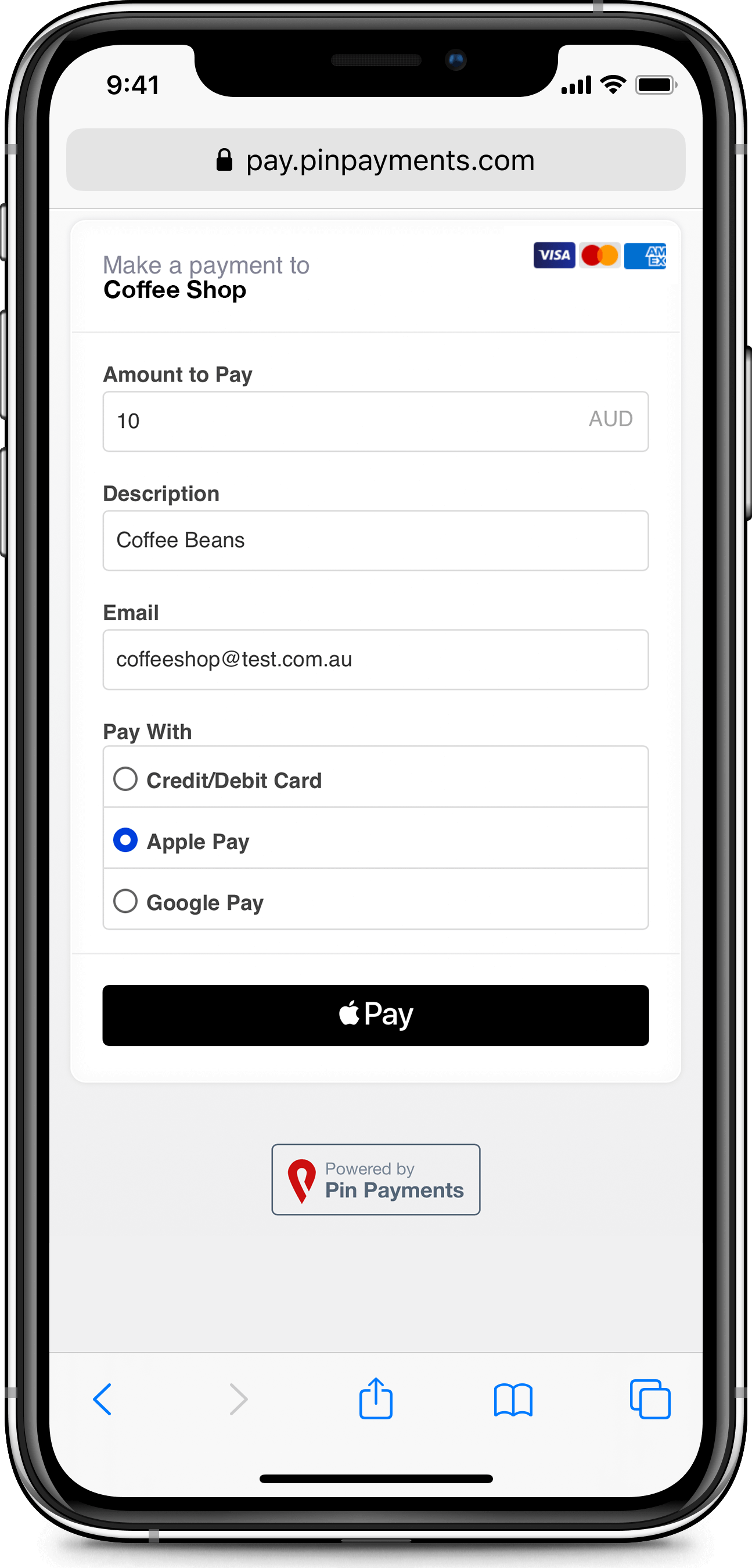
Risk Management
Betting companies also have to deal with the inherent risks associated with gambling transactions, such as chargebacks and fraudulent activities. Chargebacks can occur when a customer disputes a charge made to their account,
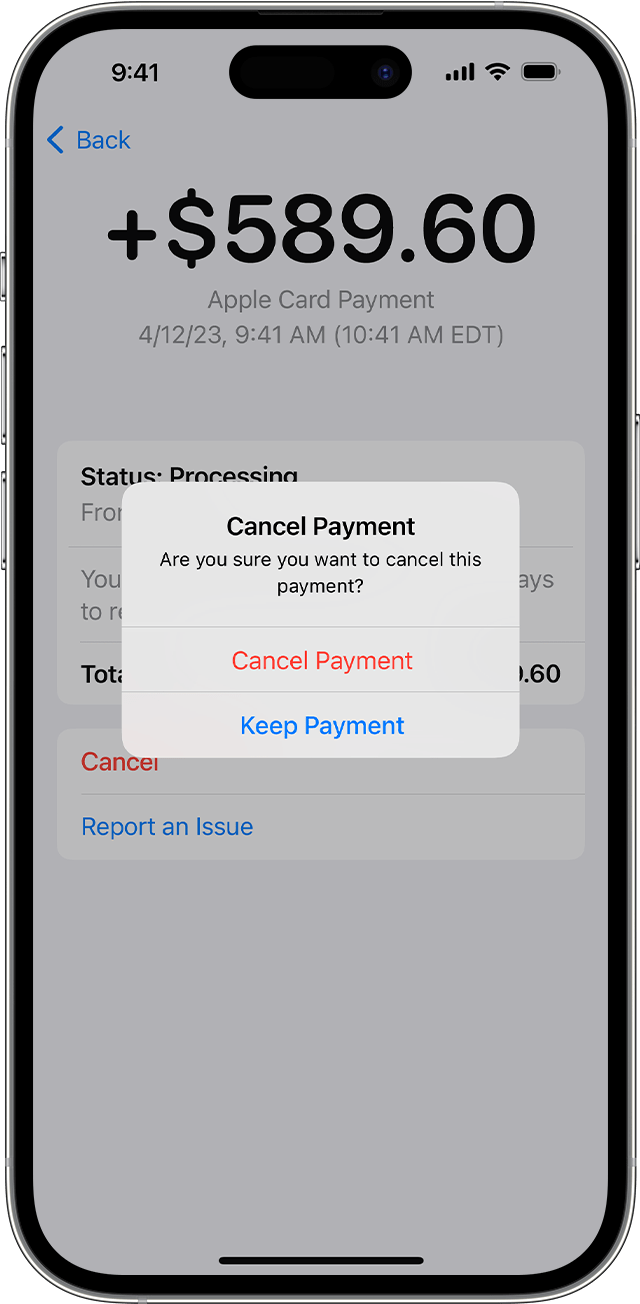
leading to potential financial losses for operators. As Apple Pay transactions are often perceived as more consumer-friendly, it may present a higher risk scenario for betting companies, leading them to restrict its use entirely.
Additionally, online betting companies require thorough Know Your Customer (KYC) processes to verify the identity of users and ensure they are of legal age to gamble. While Apple Pay does allow for user verification, it may not streamline this process in the same way that traditional banking methods might, thus posing compliance challenges for betting platforms.
Privacy and Anonymity Concerns
Another factor complicating the acceptance of Apple Pay in betting scenarios is the evolving landscape of user privacy and anonymity in gambling. Many players prefer using anonymous methods of payment to enhance their privacy by avoiding any direct links between their identities and gambling habits. Traditional forms of gambling often allow for more anonymity compared to the integrated systems like Apple Pay, which require user identification and are directly linked to bank accounts or cards.
In this context, players looking for privacy often turn to cryptocurrencies or prepaid cards, which offer greater anonymity compared to Apple Pay’s direct banking linkages. This trend towards anonymity reflects a fundamental aspect of gambling culture, where discretion is valued and often sought by users.
Alternatives to Apple Pay in Online Betting
With Apple Pay not widely accepted for online betting, players have several alternatives to consider that are generally accepted and provide a similar level of convenience and security.
- Credit and Debit Cards: Most betting sites accept Visa and MasterCard, allowing instant deposits with relatively quick withdrawal times.
- e-Wallets: Services like PayPal, Skrill, and Neteller offer rapid transactions and enhanced privacy, making them suitable for online betting.
- Cryptocurrencies: Bitcoin and other cryptocurrencies have emerged as popular alternatives, providing anonymity and quick transactions without the need for traditional bank accounts.
- Prepaid Cards: These cards, such as Paysafecard, allow users to load funds and use them without linking to personal banking information.
The Future of Apple Pay in Online Betting
As the landscape for online payments continues to evolve, it is uncertain whether Apple Pay will eventually become accepted by betting platforms. Innovations in payment technology and changing legislative frameworks could encourage greater adoption in the future. The ongoing discussion among payment service providers, regulatory bodies, and online operators will largely shape the role that Apple Pay—and indeed other modern payment methods—will play in the betting environment.
In conclusion, while Apple Pay offers a highly secure and user-friendly payment solution for many industries, its limitations in the online betting sector underscore the complex interplay of regulatory frameworks, risk management, and user privacy. Players must remain informed about their options and proceed cautiously when selecting a payment method for online betting. Always consider security, compliance, and the specific features of each payment system to ensure a seamless and enjoyable gambling experience.